Canada Urban Rail Transit Project Logistics Case Study: Managing Multi‑Country Rail Supply Chains During Global Disruption
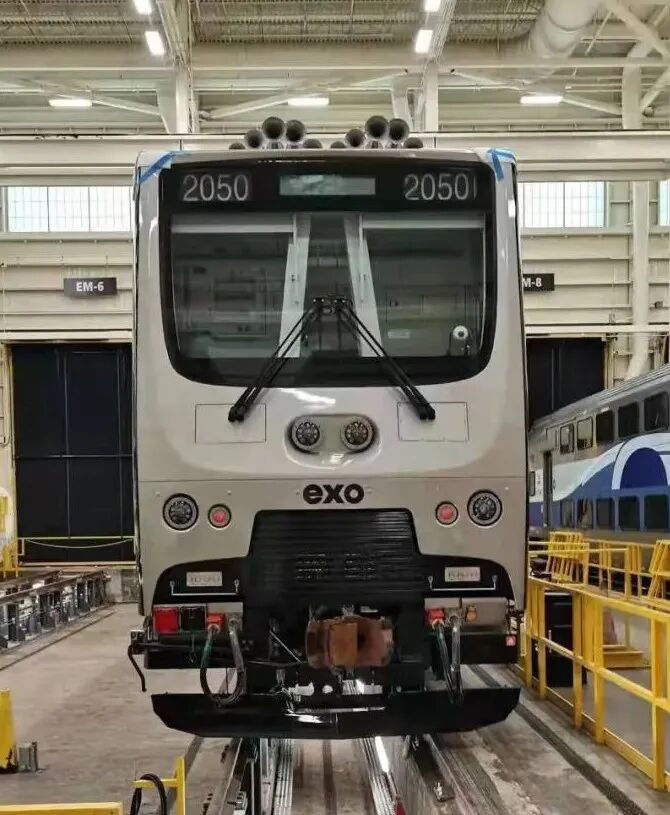
A large-scale urban rail transit project in Canada required coordinated manufacturing, transportation, assembly, and maintenance of railway rolling stock across three countries — Canada, the United States, and China.
The program sourced locomotive and railcar components from dozens of manufacturers across North America, shipped components to China for assembly, and delivered completed rail vehicles back to Canada for deployment and operation. The initial lifecycle spanned ~5 years, with aftermarket maintenance logistics continuing today.
Project Challenges
This project presented multiple layers of operational complexity beyond conventional freight forwarding.
1) Highly Complex International Supply Chain
The supply chain required simultaneous management of multiple corridors and transport modes across North America and Asia, operating continuously throughout the program lifecycle.
United States → China (manufacturing components)
Canada → China (manufacturing components)
China → Canada (finished rail vehicles)
China → United States (repair and return parts)
Canada → United States → Canada (cross-border maintenance and repair)
United States → United States (joint manufacturing support)
Canada → Canada (domestic maintenance logistics)

2) Large Number of Stakeholders
Execution required coordination among rolling stock manufacturers, tier suppliers, integrators, customs brokers, ports/terminals, airlines and ocean carriers, cross-border trucking providers, engineering teams, maintenance facilities, and government/compliance authorities.

3) Extremely Diverse Cargo Types
Cargo ranged from high-value electronics to oversized industrial equipment and regulated goods, each requiring distinct packaging, handling, classification, and transport solutions.
Rail traction systems, bogies and wheelsets
HVAC systems, electrical control cabinets
Railcar body structures, brake systems
High-value electronic components
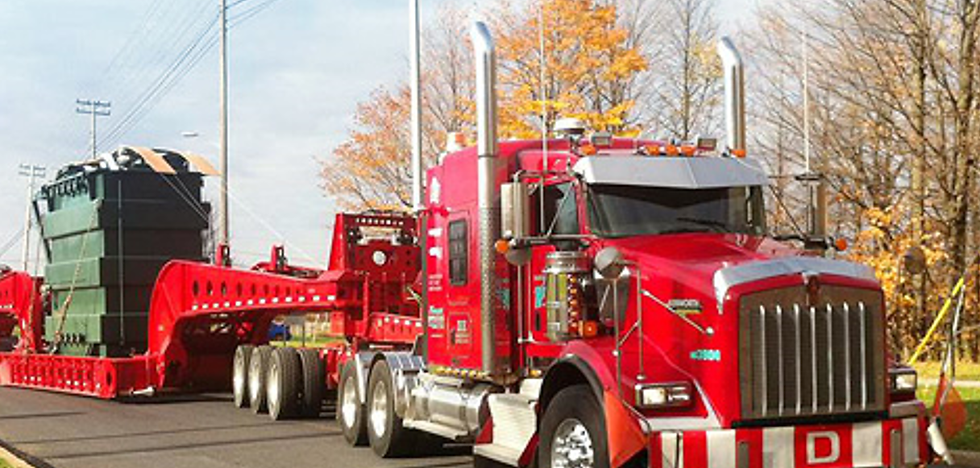
Oversized industrial equipment
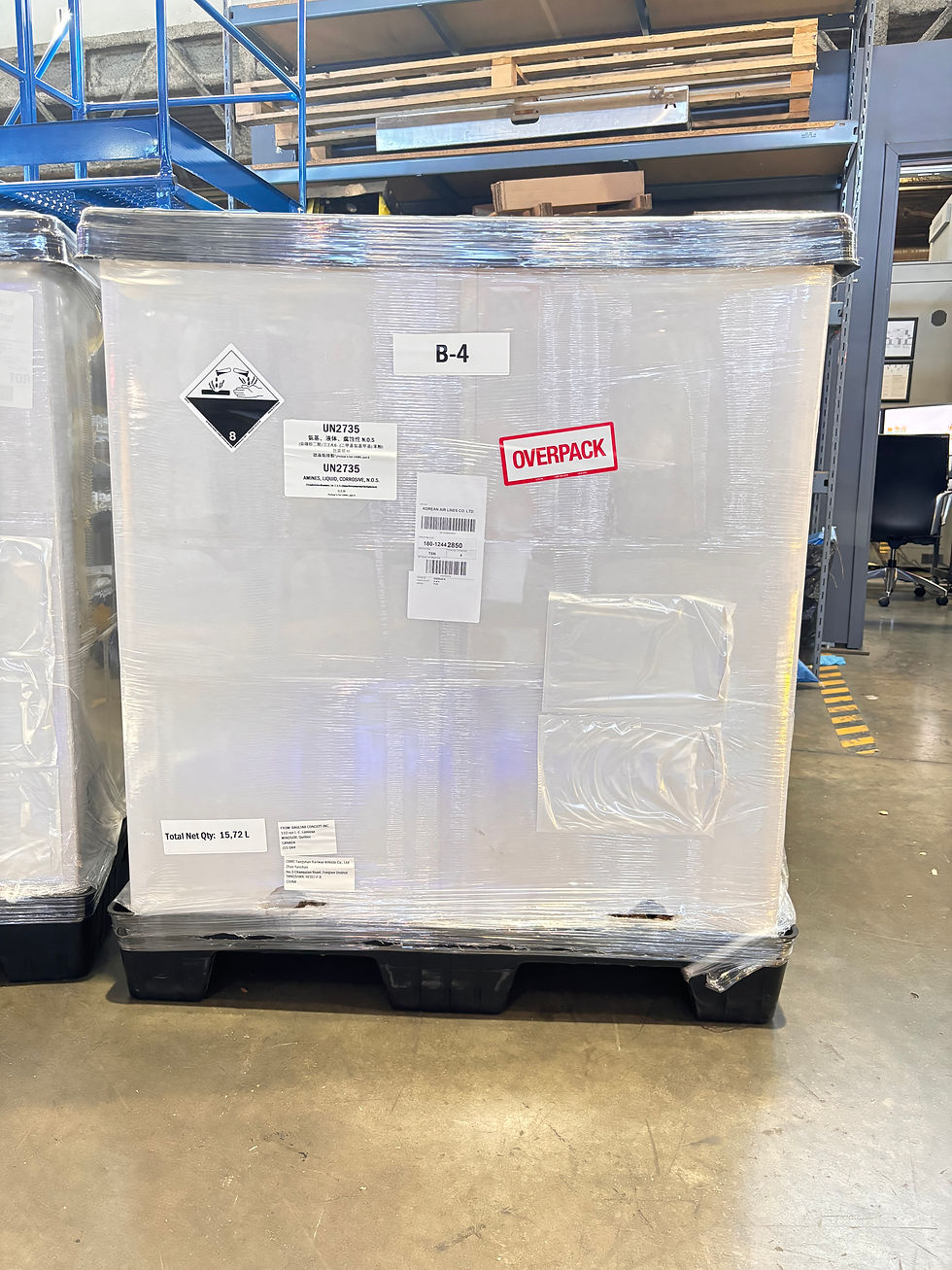
Dangerous goods and battery-related products
Emergency repair parts

4) Severe External Environment
The execution period coincided with major global disruptions: COVID‑19, port congestion, air capacity shortages, container shortages, trade/tariff uncertainty, and frequent schedule interruptions—significantly increasing uncertainty and operational pressure.
Integrated Logistics Solution
To maintain uninterrupted execution, an integrated project logistics management system was implemented, combining multimodal transport, compliance coordination, packaging, tracking, and contingency planning.
Core Logistics Services
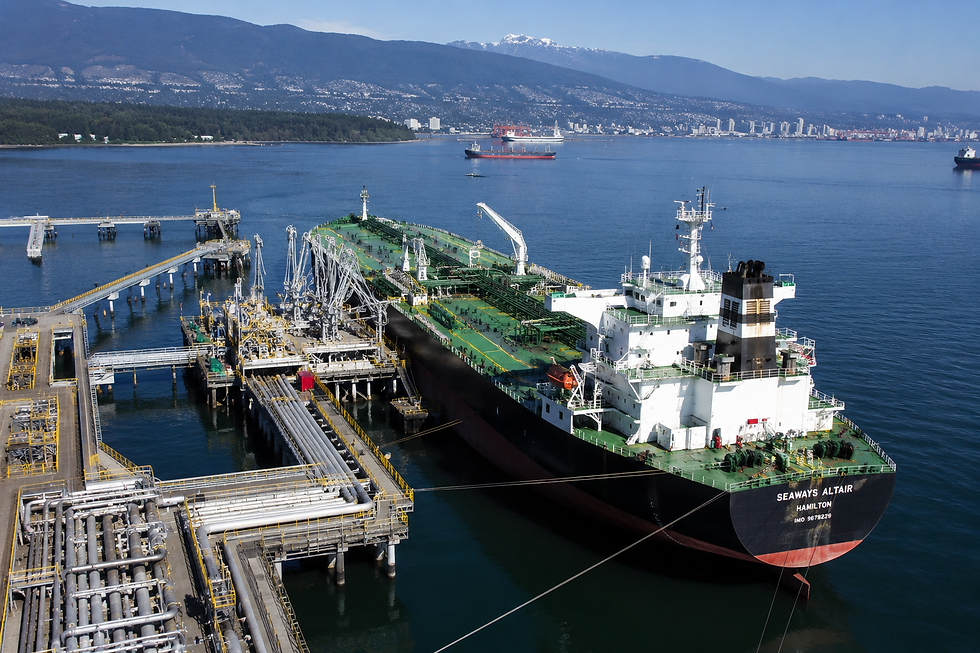
Ocean freight (FCL/LCL), special equipment and oversized cargo shipping
International air freight and charter solutions for urgent deliveries
Cross-border trucking between Canada and the United States
Courier/express services and dangerous goods transportation
Industrial export packaging, reinforcement, and customs clearance coordination
Project cargo tracking and schedule management
Project Execution Strategy
Centralized Project Coordination
A dedicated project team coordinated suppliers, carriers, warehouses, and factories under a unified logistics schedule, reducing communication delays and operational conflicts.
Supplier production monitoring and consolidation planning
Dynamic transportation scheduling and customs compliance management
Emergency logistics response and inventory/maintenance support coordination
Flexible Transportation Planning
Transport modes were selected based on urgency, value, dimensions, installation schedules, manufacturing bottlenecks, and border conditions.
Critical electronic parts shipped by air
Heavy structural components moved by ocean
Oversized equipment used special containers and customized loading plans
Emergency repair components used cross-border express trucking
Crisis Response During the Pandemic
During COVID‑19 disruption, the team responded to flight cancellations, ocean schedule instability, port congestion, factory shutdowns, and border delays with multi-carrier backups, alternative routing, advance staging, emergency charters, flexible inventory deployment, and real-time supplier communication.
Long‑Term Maintenance Logistics Support
After initial delivery, logistics support continued for maintenance and repair operations, evolving into a lifecycle support system.
Cross-border repair shipments and warranty returns
Spare parts distribution and emergency replacements
Domestic Canadian maintenance transportation and U.S.–Canada repair circulation management
Key Success Factors
Strong project management: long-term planning, multi-party coordination, schedule synchronization, risk management, and real-time adjustment
Global service network: effective local execution across Canada, the U.S., and China
Emergency response capability: rapid decisions and flexible resource allocation to minimize downtime

Conclusion
This Canadian urban rail transit logistics program illustrates the complexity of modern industrial supply chains. Managing thousands of components, multimodal transport, cross-border regulations, pandemic disruption, and long-term maintenance requires comprehensive planning, global coordination, advanced project management, flexible transport resources, and strong crisis response.
For large-scale infrastructure and industrial manufacturing programs, logistics is not simply transportation — it is a critical part of the overall execution strategy.
Kevin from Sunrise(Canada) | 2024-05-01
Comments